
Discovery Research & Concept Validation for an EdTech Startup
Objective
The Problem
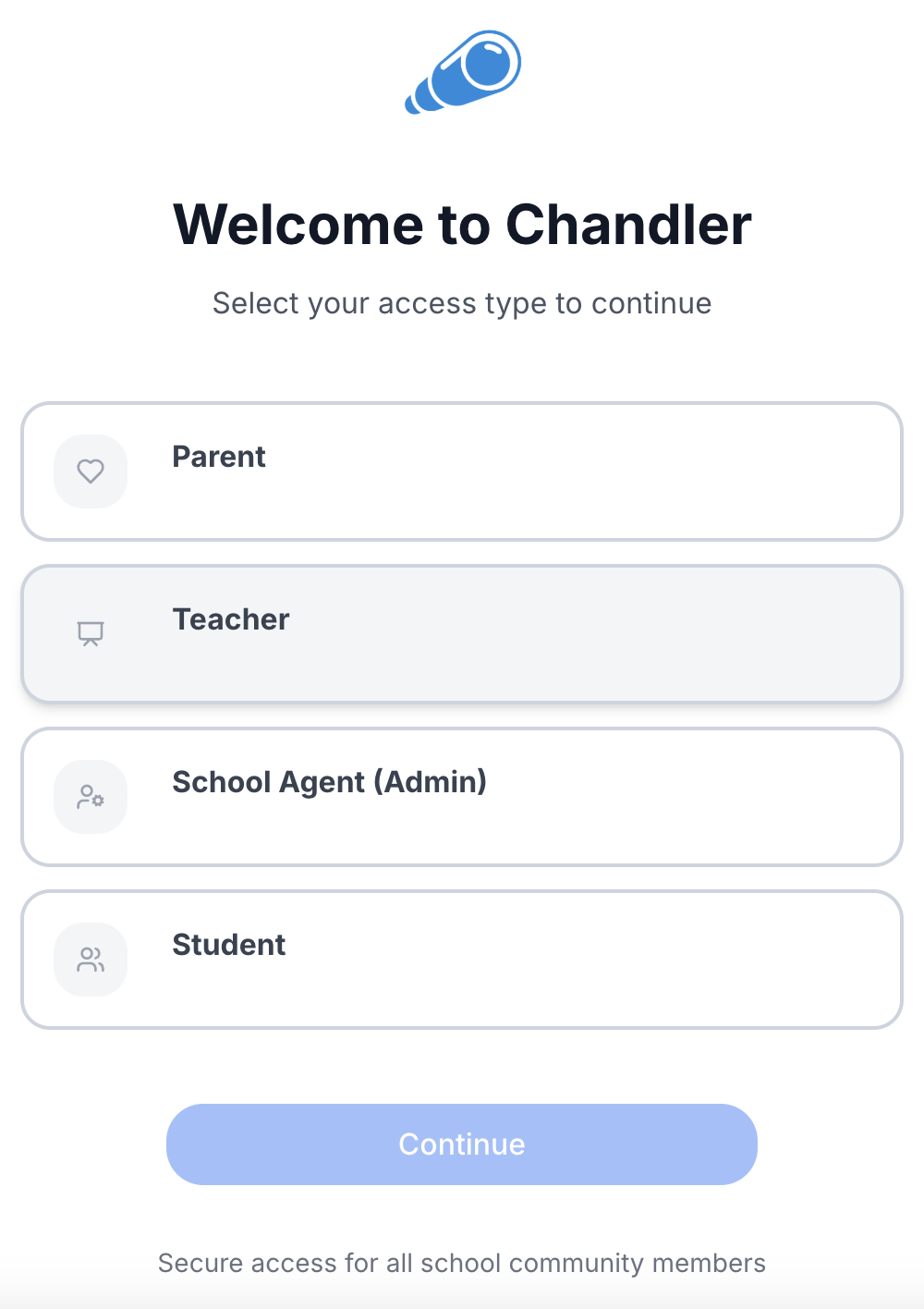
An education startup set out to build a unified, customized school app to serve parents, teachers, students, and administrators all at once. But before investing in development, they needed to validate whether that vision was the right one.
The risk was real: building a complex, multi-stakeholder platform without understanding which user group had the most pressing needs could result in a product too broad to be useful for anyone.
Role
As the lead UX Researcher on this project, I designed and conducted the discovery research that shaped the product direction.
After delivering my findings and recommendations, I transitioned into a mentorship role guiding a researcher on the team to carry the concept validation and prototype testing forward through subsequent iterations.
Research Goals
The study aimed to answer three core questions:
1. Are current school communication tools meeting the needs of all stakeholders?
2. Where is the greatest opportunity for impact?
3. Is a single unified platform the right solution, or does the product need a more focused starting point?
Research Methodology
Methodology:
- 100+ Survey Responses
- Moderated 60-minute remote one-on-one user interviews
Target users:
-
- Parents and guardians managing school communications and schedules
- Teachers and administrative staff at a private K-12 school
- Students across middle and high school
- School leadership including a Head of School and Director of Communications
Themes/Analysis
Three critical patterns emerged from the discovery research.
1. Too much fragmentation Every stakeholder group was juggling between 5 and 8 platforms weekly including Google Classroom, Blackbaud, SchoolPass, FACTS, and email and none of which synced with each other.
2. Email is broken as a communication tool Email was the most widely used communication tool but universally considered ineffective, with parents missing time-sensitive updates, students ignoring weekend emails, and teachers feeling overwhelmed by scattered threads.
3. Parents are the highest impact starting point While all groups expressed interest in a unified app, parents emerged as the group with the clearest pain points, the broadest unmet needs, and the highest potential for measurable impact, making them the strongest starting point for an MVP.
Recommendations
The discovery research pointed to one clear strategic recommendation and two supporting priorities:
- Pivot to a parent-first product
- Narrow the initial scope from a multi-stakeholder school OS to a focused parent experience hub
- Prioritize features that reduce communication overload and simplify school-related task management
- Use the parent MVP to prove traction before expanding to teachers, students, and admin
- Phase 1 MVP Focus
- Unified calendar with reminders and event alerts
- Messaging from school and optional parent-to-parent communication
- Attendance tracking, tuition reminders, and volunteer signups
- Design for Real-World Constraints
- Prioritize mobile-first, low-friction interactions for time-strapped parents
- Integrate with existing tools rather than replace them
Impact
The discovery research directly informed a product pivot shifting the team’s focus from a broad, multi-stakeholder platform to a parent-first AI-powered app called the Parent Command Center.
The new product scans parent-school emails and documents and organizes key information into calendar events and tasks. Early concept validation with parents confirmed the pivot was the right call, with parents citing strong value in centralized school communication.
Following the pivot, I mentored a researcher on the team to lead subsequent rounds of prototype testing, ensuring the research practice and product insights continued to evolve beyond my direct involvement.
←Survey Analysis